Bombardier Challenger 650: NY to Miami
Published · Updated
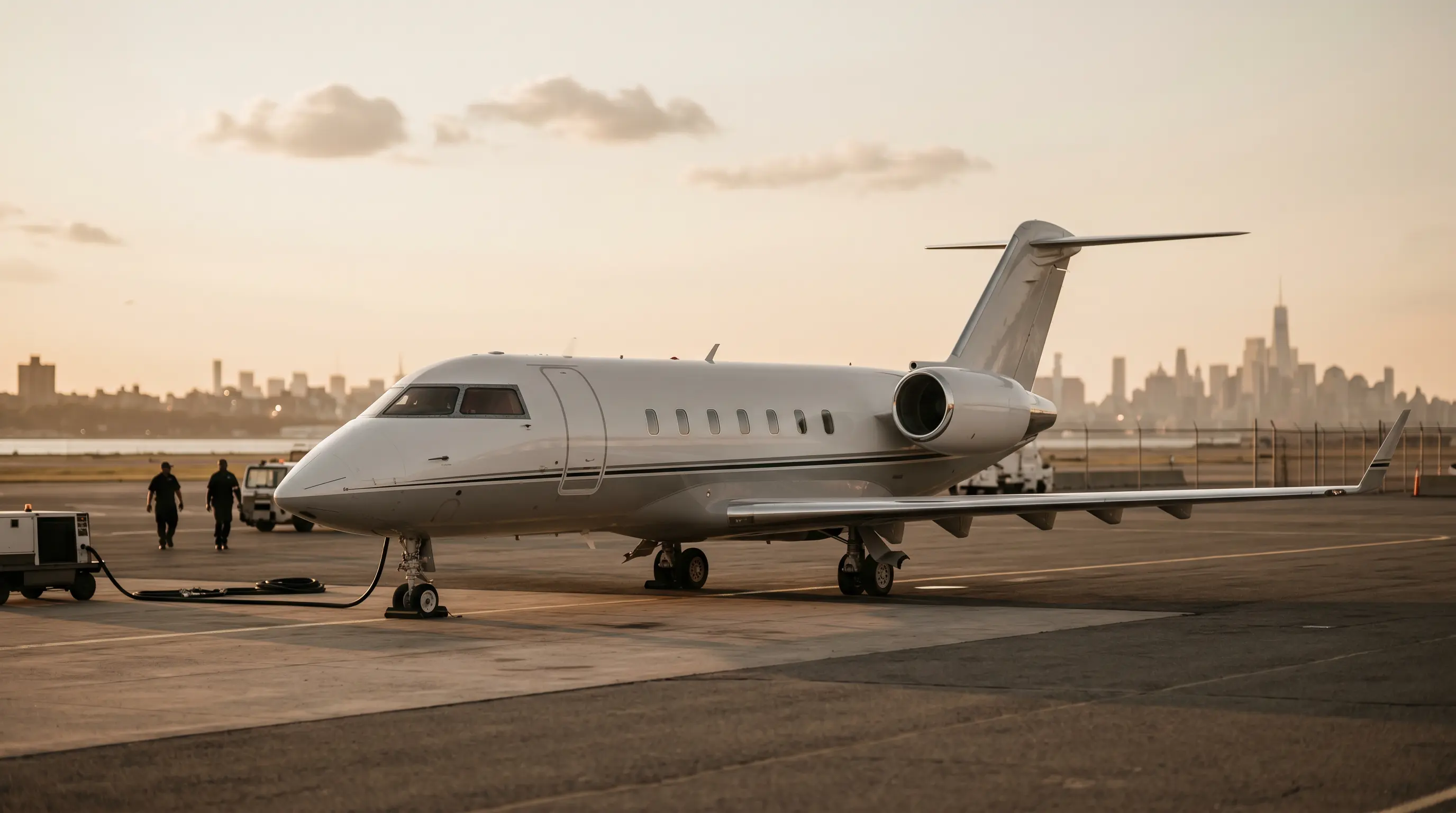
The Bombardier Challenger 650 is the most refined development of one of the most successful large-cabin business jet platforms ever built, an aircraft renowned for a cabin exceptionally broad for its category and for a record of reliability built over decades of service. Between the two cities it flies the route nonstop, offering one of the widest cabins in its class at a competitive operating cost.
From Teterboro Airport (TEB) to Miami-Opa Locka Executive Airport (OPF) it completes the route in around two hours, a proven large-cabin business jet.
- 4,000 nm range
- 470 ktas cruise
- 10–12 passengers
Estimated pricing for planning — your account manager confirms the final quote.
Private charters between New York and Miami typically depart from Teterboro Airport (TEB), Westchester County Airport (HPN), Republic Airport (FRG), or Long Island MacArthur Airport (ISP) and arrive at Miami-Opa Locka Executive Airport (OPF), Fort Lauderdale Executive Airport (FXE), President Donald J. Trump International Airport (DJT), or Miami International Airport (MIA).
Challenger 650 Specifications
Manufacturer performance figures — Bombardier.
- 4,000 nm
- Max range
- 470 ktas
- Cruise speed
- 10–12
- Passengers
- 6 ft 0 in
- Cabin height
- 115 cu ft
- Luggage
- 41,000 ft
- Service ceiling
The Challenger 650 from New York to Miami
With 4,000 nautical miles of range against the route's 950, the Challenger 650 flies New York to Miami nonstop with ample reserves and significantly more capability than the trip requires. Its Mach 0.85 cruise puts the flight at a little over two hours, and a 41,000-foot ceiling lets it climb above much of the weather and the seaboard traffic.
The Challenger 650 is best known for its exceptionally wide cabin — nearly eight feet across, unusually broad for the class — and for a long-standing reputation for reliability, the latest refinement of an airframe that has served faithfully for decades.
- An exceptionally wide cabin, nearly eight feet across
- Range of 4,000 nm — comfortably nonstop with ample reserves
- A lineage of reliability built over decades
- One of the most affordable large-cabin jets in its class

The cabin and its appointments
The cabin seats ten to twelve against a maximum of twelve, in a configuration seven feet eleven inches wide — one of the widest cabins in the large-cabin category — with a full galley and one hundred and fifteen cubic feet of luggage. Its exceptional width creates an unusually spacious cabin environment for this aircraft category, and a notably comfortable one for the group bound for Miami.
How it compares within the class
The Challenger 650 offers a similarly spacious cabin to the Global 5000 in a slightly smaller airframe with lower operating costs, and a Bombardier alternative to the Gulfstream G450. As one of the strongest value options in the large-cabin category, it is a sound and comfortable business choice for the group that prizes cabin width on the New York–Miami run.
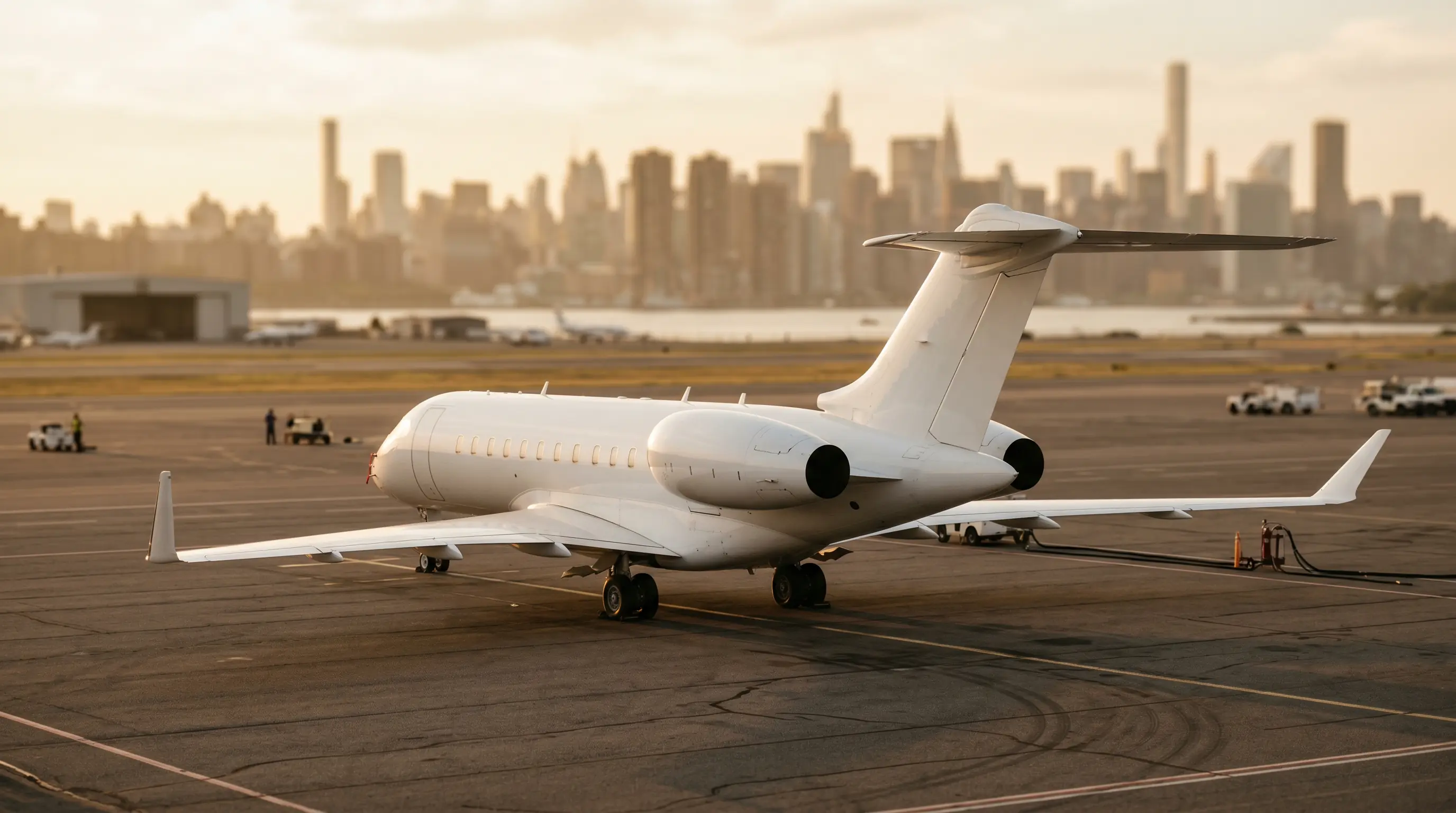
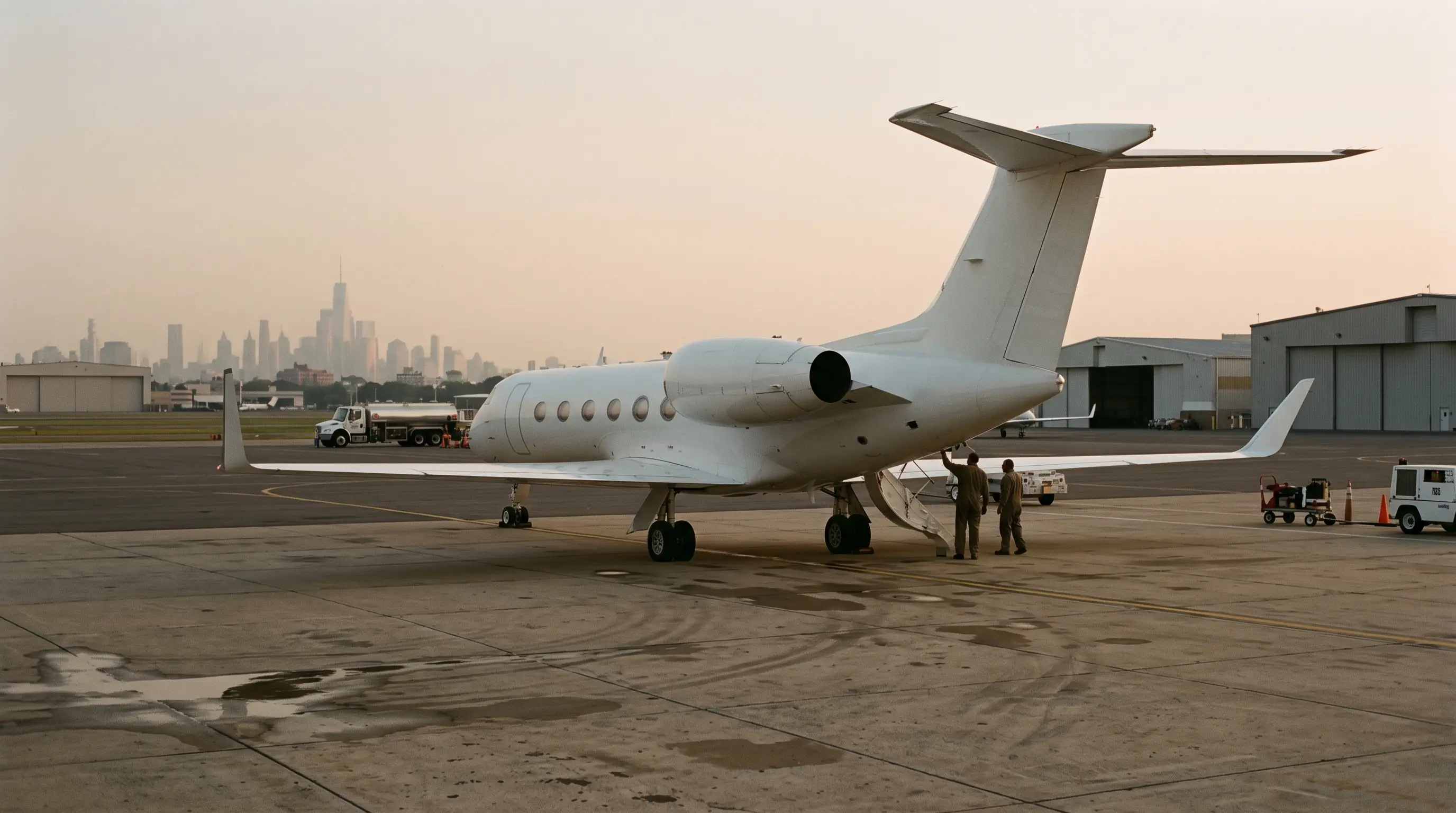
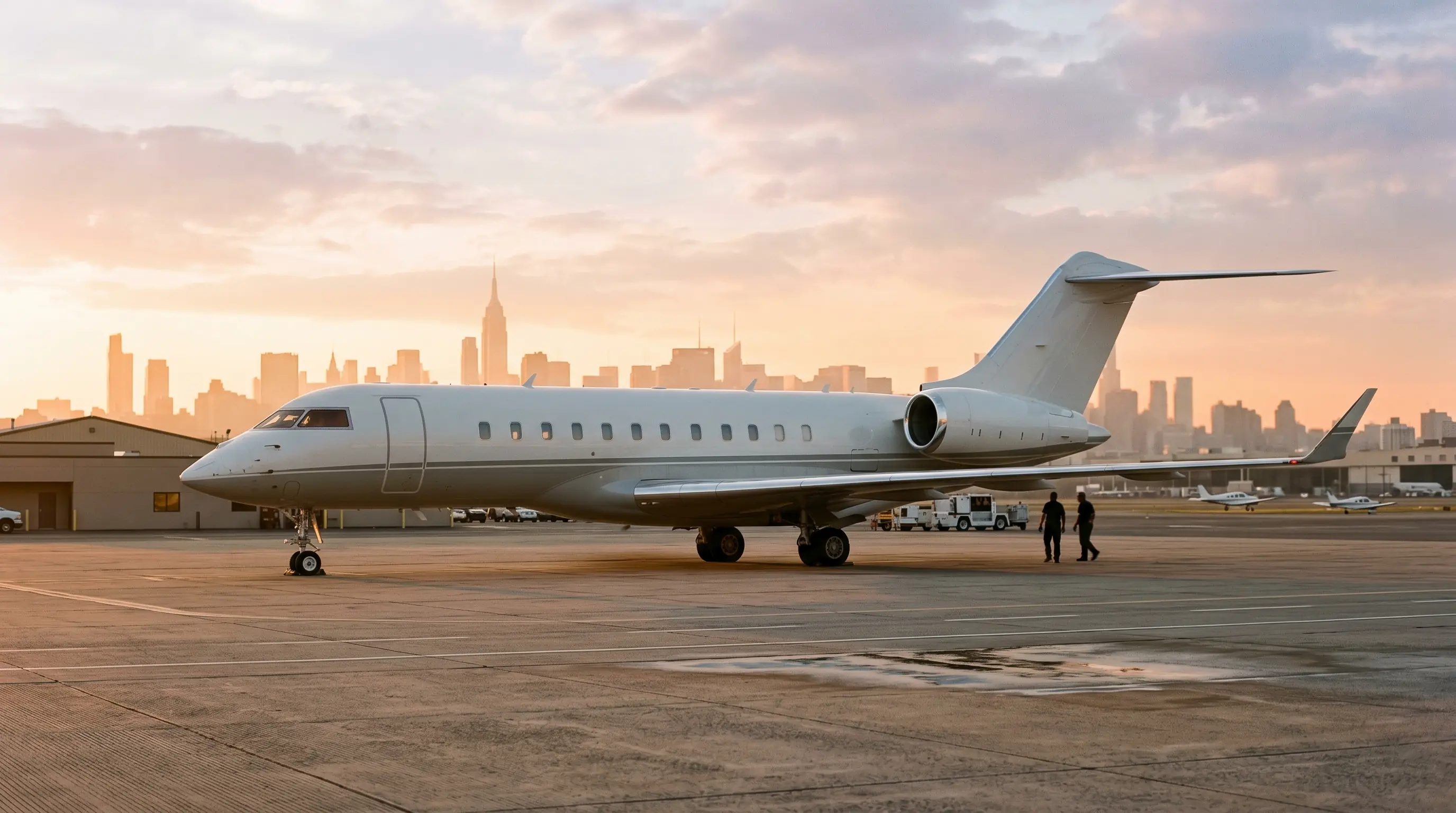
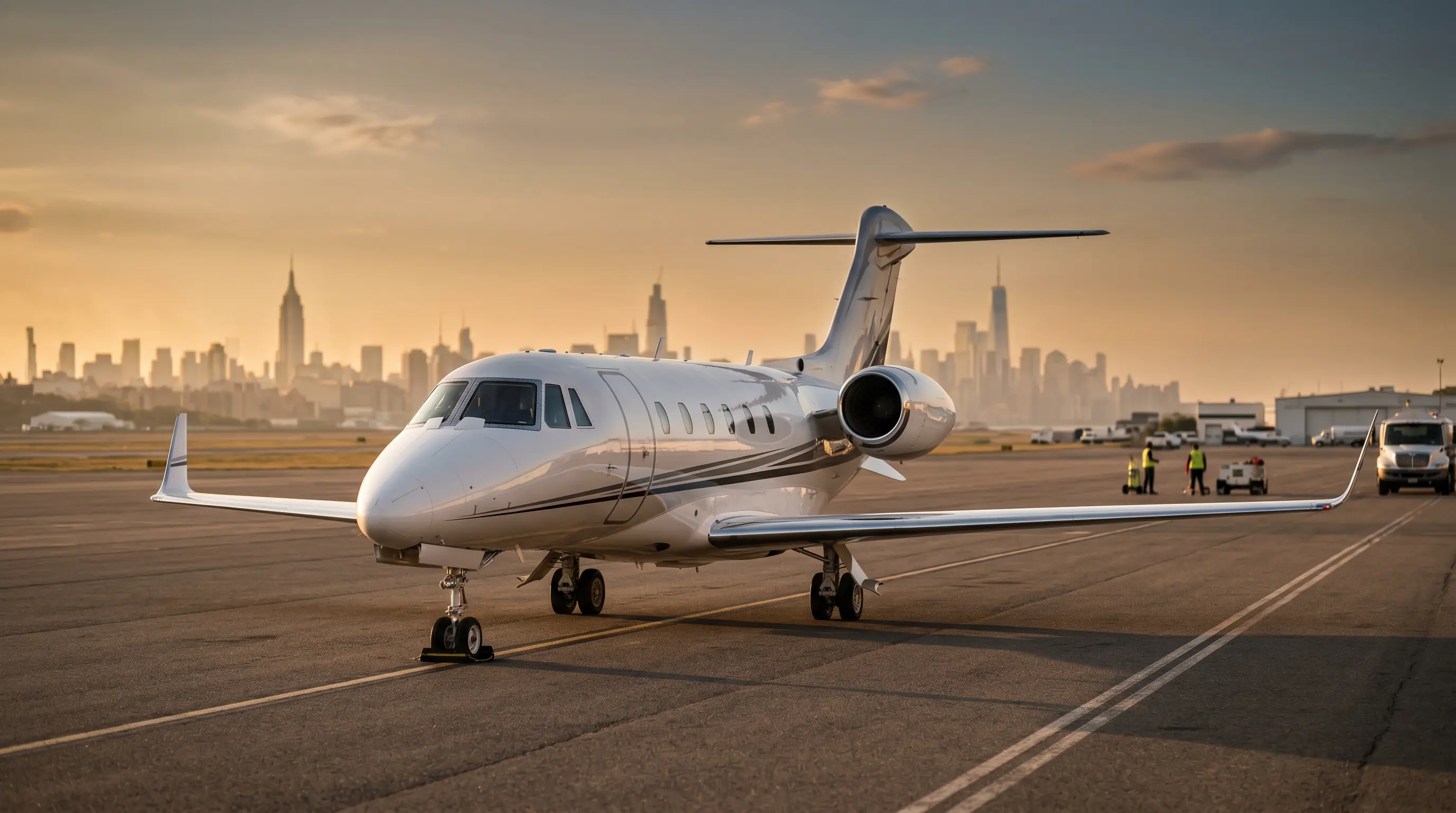
The Challenger 650, inside and out
Other Heavy Jets for the TEB–OPF Route
Charter services for the New York–Miami route
Frequently Asked Questions
- It does, with ample reserves. Its 4,000-nautical-mile range against the 950 miles south allows the route to be flown nonstop with a full cabin, and leaves a substantial margin beyond what this trip demands.
- Its cabin width. At nearly eight feet across, the cabin is one of the widest in business aviation, and the aircraft carries a lineage of reliability built over decades — the latest refinement of one of Bombardier's most successful large-cabin business jet platforms.
- Ten to twelve in its usual configuration, against a maximum of twelve. Its exceptionally wide cabin makes it a notably comfortable choice for the group traveling together.
- A little over two hours nonstop on this city pair at its Mach 0.85 cruise, with the executive airports at either end helping minimize overall travel time.
- A one-way Challenger 650 charter from New York to Miami runs roughly $36,000 to $54,000 (estimated), depending on the date and availability. Every quote includes fuel, fees, and taxes in the stated price.
Ready to fly New York to Miami?
Send your dates and party size for estimated pricing across suitable aircraft — typically within two hours, with no obligation.
 +1 (332) 290-1479
